



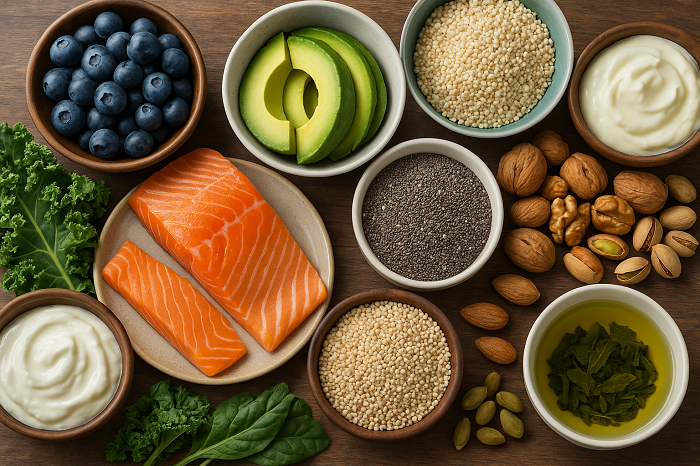
Eating healthy isn’t just about cutting calories or avoiding junk food, it’s about nourishing your body with the right kind of nutrients that promote longevity, vitality, and overall well-being. In today’s fast-paced world, where processed and convenience foods often take center stage, it’s easy to forget the incredible power of natural, nutrient-dense foods known as superfoods. These foods are rich in vitamins, minerals, antioxidants, and other essential nutrients that can help strengthen your immune system, improve your metabolism, and even protect against chronic diseases. In this detailed guide, we’ll explore the top 10 superfoods you should include in your diet, why they’re so beneficial, and how to easily incorporate them into your daily meals.
1. Blueberries – The Antioxidant Powerhouse
Blueberries have earned their reputation as one of the most nutrient-dense fruits on the planet. Packed with antioxidants, particularly anthocyanins, these tiny berries help protect your body from free radicals that contribute to aging and diseases like cancer and heart disease. They’re also rich in vitamin C, fiber, and manganese, making them an excellent choice for maintaining brain health and supporting digestion. Whether you blend them into smoothies, sprinkle them over oatmeal, or enjoy them as a refreshing snack, blueberries are a simple yet powerful way to boost your overall health.
2. Kale – The Green Nutrition Giant
Kale is often called the king of leafy greens, and for good reason. It’s loaded with vitamins A, C, and K, along with calcium, iron, and fiber. The antioxidants in kale, such as lutein and beta-carotene, help reduce inflammation and promote eye and skin health. Regularly consuming kale supports cardiovascular health and strengthens your immune system. Adding kale to salads, soups, or smoothies is an easy and tasty way to ensure you’re getting essential nutrients every day.
3. Salmon – The Omega-3 Rich Protein Source
Salmon is one of the best sources of omega-3 fatty acids, which play a crucial role in heart and brain health. These healthy fats help reduce inflammation, lower cholesterol levels, and improve cognitive function. In addition to omega-3s, salmon provides high-quality protein, B vitamins, and selenium, all of which are vital for energy production and immune support. Opt for wild-caught salmon when possible, and enjoy it grilled, baked, or pan-seared for a delicious and nutrient-packed meal.
4. Quinoa – The Complete Plant-Based Protein
Quinoa has become a staple in health-conscious diets for its unique nutritional profile. It’s a gluten-free grain that contains all nine essential amino acids, making it a complete protein source. Rich in fiber, magnesium, iron, and B vitamins, quinoa supports digestive health and stabilizes blood sugar levels. Its mild flavor and fluffy texture make it a perfect base for salads, side dishes, and even breakfast bowls. Including quinoa in your meals is a simple way to enhance both the taste and nutrition of your diet.
5. Avocados – The Heart-Healthy Fruit
Avocados are not just trendy, they’re one of the most nutrient-rich foods you can eat. They’re loaded with healthy monounsaturated fats that promote heart health by reducing bad cholesterol levels. Avocados also contain potassium, fiber, and vitamins E and C, which support hydration, skin elasticity, and cell function. Adding avocado to your toast, salads, or smoothies can elevate both flavor and nutritional value. Regular consumption of this creamy fruit can also help in maintaining a healthy weight and reducing inflammation.
6. Chia Seeds – The Tiny Nutrient Bombs
Chia seeds may be small, but they’re incredibly powerful. They’re rich in omega-3 fatty acids, fiber, protein, and antioxidants. When soaked, chia seeds form a gel-like texture that aids digestion and promotes satiety, helping with weight management. They also help stabilize blood sugar levels and support heart health. Mixing them into your yogurt, smoothies, or oatmeal is an easy way to boost your nutrient intake without adding extra calories.
7. Greek Yogurt – The Probiotic Powerhouse
Greek yogurt stands out as one of the best sources of probiotics, which are beneficial bacteria that support gut health and digestion. It’s also packed with protein, calcium, and vitamin B12, all essential for strong bones and muscle repair. Choosing plain, unsweetened Greek yogurt allows you to control sugar intake while still benefiting from its creamy texture and nutritional goodness. Pair it with fruits, honey, or granola for a satisfying and nourishing snack.
8. Turmeric – The Golden Spice of Life
Turmeric has been a staple in Ayurvedic and Asian cuisines for centuries, prized for its powerful anti-inflammatory properties. The active compound in turmeric, curcumin, is known to help reduce inflammation, boost brain function, and protect against diseases like arthritis and Alzheimer’s. Adding a pinch of turmeric to your soups, curries, or teas can provide both flavor and health benefits. For maximum absorption, pair turmeric with black pepper, which enhances curcumin’s bioavailability.
9. Nuts – The Perfect Snack for Health
Nuts such as almonds, walnuts, and pistachios are rich in healthy fats, protein, and fiber, making them a perfect snack to keep you full and energized. They contain important nutrients like vitamin E, magnesium, and antioxidants that support heart and brain health. Regular nut consumption is linked to a reduced risk of chronic diseases such as diabetes and obesity. A small handful of nuts each day can go a long way in improving your overall health and wellness.
10. Green Tea – The Detoxifying Elixir
Green tea is widely celebrated for its antioxidant properties, thanks to a compound called catechin, which helps boost metabolism, support fat burning, and protect against cellular damage. Drinking green tea regularly can improve brain function, lower the risk of heart disease, and enhance longevity. It’s a refreshing and calorie-free way to hydrate while supporting your body’s natural detox processes. Enjoying a warm cup of green tea each day can make a significant difference in your overall wellness routine.
Conclusion
Including these top 10 superfoods in your diet can make a profound difference in how you feel, look, and perform each day. They’re not just trendy buzzwords, but real, nutrient-packed foods that provide lasting benefits for your body and mind. Whether you’re looking to boost your immune system, improve digestion, or maintain a healthy weight, these superfoods offer a natural and delicious path to better health. Start by adding one or two of these foods into your daily routine and gradually build up from there. The key is consistency and balance, not perfection.
If you’re ready to transform your diet and embrace a healthier lifestyle, explore more nutrition-focused guides and healthy recipes right here on our blog. Your journey to better health starts with the next meal you choose to eat.
Frequently Asked Questions about Superfoods and Healthy Eating
Q1. What makes a food a superfood?
Answer. A superfood is a natural, nutrient-dense food rich in antioxidants, vitamins, and minerals that offer exceptional health benefits beyond basic nutrition.
Q2. Can I eat superfoods every day?
Answer. Yes, superfoods can and should be part of your daily diet. However, balance and variety are important, as no single food provides all the nutrients your body needs.
Q3. Are superfoods expensive?
Answer. Not necessarily. Many affordable superfoods like spinach, oats, and beans are just as nutrient-rich as more exotic options like acai or spirulina.
Q4. How can I easily include superfoods in my meals?
Answer. Incorporate them into your breakfast bowls, salads, smoothies, or snacks. Even small additions can have big health benefits over time.
Q5. Do superfoods help with weight loss?
Answer. Superfoods can support weight loss by improving metabolism and reducing inflammation, but they work best when combined with a balanced diet and active lifestyle.



Comments are closed