



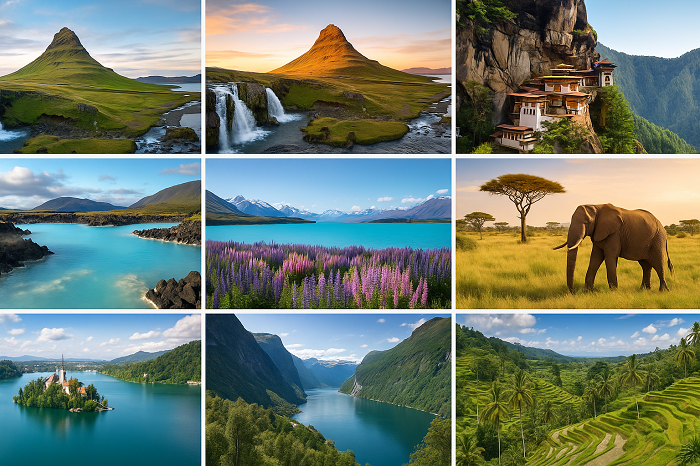
Sustainable travel is no longer just a trend, it has become a global movement that redefines the way people explore the world. As travelers become more conscious of their environmental impact, eco friendly destinations are rising in popularity for their commitment to conservation, renewable energy, and community driven tourism. These destinations not only offer breathtaking natural beauty but also ensure that tourism supports local people and protects ecosystems for future generations. Here is a detailed guide to the Top 10 Eco Friendly Travel Destinations that perfectly balance adventure, comfort, and sustainability.
1. Costa Rica, Central America
Costa Rica is a global leader in eco tourism and one of the greenest countries in the world. Over 25 percent of its land is protected through national parks and wildlife reserves. The country runs on nearly 100 percent renewable energy and promotes sustainable tourism across its rainforests, volcanoes, and beaches. Visitors can explore the Monteverde Cloud Forest, spot exotic wildlife in Tortuguero National Park, or stay in eco lodges that use solar power and recycled materials. The local commitment to “Pura Vida” reflects harmony between humans and nature, making Costa Rica a model destination for responsible travelers.
2. Iceland, Europe
Iceland stands out for its pristine landscapes and strong focus on renewable energy. The country harnesses geothermal and hydroelectric power to sustain its population, minimizing its carbon footprint. Travelers can experience dramatic waterfalls, glaciers, and geysers while respecting nature through guided eco tours. Popular attractions like the Blue Lagoon and the Golden Circle are carefully managed to prevent over tourism. Eco friendly accommodations in Reykjavik and rural regions use sustainable designs, local produce, and green energy systems. Iceland’s dedication to preserving its fragile environment makes it a top choice for eco conscious explorers.
3. Bhutan, South Asia
Known as the world’s only carbon negative country, Bhutan’s development philosophy centers around Gross National Happiness rather than GDP. Its tourism policy follows a “high value, low impact” approach that limits the number of visitors to protect its natural and cultural heritage. Travelers can trek through the Himalayas, visit ancient monasteries, and witness untouched biodiversity. Bhutan’s strict environmental regulations ensure that forests cover more than 70 percent of the country. This mystical land is an inspiration for sustainable development and mindful tourism practices worldwide.
4. New Zealand, Oceania
New Zealand is renowned for its dramatic scenery, from alpine peaks to lush forests, and its dedication to conservation. The country’s eco tourism initiatives focus on reducing plastic waste, protecting wildlife, and encouraging visitors to follow the Tiaki Promise—a national campaign that promotes responsible travel. Whether exploring Fiordland National Park, hiking the Tongariro Alpine Crossing, or enjoying Maori cultural experiences, travelers can engage with local communities that prioritize sustainability. Many lodges and tour operators follow eco certification programs, making New Zealand a haven for green travelers.
5. Kenya, Africa
Kenya offers more than just iconic safaris; it’s also a pioneer in sustainable tourism across Africa. The country’s conservancies and eco lodges protect wildlife while supporting local Maasai and Samburu communities. Visitors can witness the Great Migration in the Maasai Mara, explore Mount Kenya National Park, or relax on the unspoiled beaches of Diani. Eco resorts in Kenya are built using natural materials, rely on solar power, and contribute directly to conservation projects. Kenya demonstrates how eco tourism can preserve both culture and biodiversity in harmony.
6. Slovenia, Europe
Slovenia has rapidly emerged as one of Europe’s greenest travel destinations, earning the title of “Green Capital of Europe.” More than half of its territory is covered in forests, and it promotes sustainable living through recycling, organic farming, and green transportation. Ljubljana, the capital, is almost entirely car free and runs on renewable energy. Visitors can kayak on Lake Bled, hike in Triglav National Park, or enjoy local farm to table cuisine. Slovenia’s eco certification program ensures that tourism growth never compromises environmental quality, making it a model of modern sustainability.
7. Norway, Europe
Norway’s commitment to environmental stewardship is reflected in its electric vehicle revolution and protection of natural landscapes. The Norwegian fjords, Northern Lights, and national parks attract millions, yet tourism is carefully managed to minimize impact. Travelers can cruise the fjords on electric ships, hike the Lofoten Islands, or stay in sustainable cabins powered by renewable energy. Norway also invests heavily in green technology and supports local conservation projects. Its balanced approach to progress and preservation places it high on the list of eco friendly destinations.
8. Palau, Micronesia
The island nation of Palau is a shining example of marine conservation. It was the first country in the world to create a national shark sanctuary and has strict rules to protect its coral reefs and marine life. Every visitor must sign the Palau Pledge, committing to responsible behavior during their stay. Divers and snorkelers can explore the vibrant underwater world of Jellyfish Lake and the Rock Islands while respecting the fragile ecosystem. Palau’s proactive environmental policies make it a must visit for travelers passionate about ocean conservation.
9. Switzerland, Europe
Switzerland combines luxury with sustainability through its efficient public transport, clean energy systems, and eco certified hotels. The country’s breathtaking Alps are managed to prevent over tourism and protect wildlife habitats. Visitors can enjoy scenic train rides, explore car free mountain villages like Zermatt, and stay in hotels that emphasize energy efficiency and locally sourced food. Switzerland’s deep respect for nature and its ability to integrate green living into everyday life make it an exemplary eco destination.
10. Bali, Indonesia
While known for its beaches and culture, Bali has evolved into a hub for sustainable tourism. Eco resorts like those in Ubud and Canggu focus on renewable energy, organic farming, and community education. The island encourages visitors to support local artisans, participate in beach cleanups, and explore less crowded rural areas. Initiatives such as banning single use plastics have significantly reduced waste. Bali’s combination of natural beauty, wellness culture, and conscious travel practices makes it a favorite among eco travelers seeking both relaxation and purpose.
Conclusion
Traveling sustainably is not about giving up comfort or adventure; it’s about making choices that protect the planet and uplift local communities. From the carbon neutral forests of Bhutan to the geothermal wonders of Iceland, these Top 10 Eco Friendly Travel Destinations prove that responsible tourism can create unforgettable experiences while preserving the Earth’s treasures. As you plan your next trip, consider destinations that promote green practices and sustainable hospitality. By traveling consciously, you contribute to a more sustainable and compassionate world.
Frequently Asked Questions about Eco Friendly Travel Destinations
Q1. What makes a travel destination eco friendly?
Answer. A destination is considered eco friendly when it prioritizes environmental conservation, uses renewable energy, reduces waste, and supports local communities through sustainable tourism practices.
Q2. How can I make my travels more sustainable?
Answer. Choose eco certified accommodations, avoid single use plastics, use public transportation, and support local businesses that follow ethical and sustainable practices.
Q3. Are eco friendly destinations more expensive to visit?
Answer. Not necessarily. While some eco lodges may cost more due to their practices, sustainable travel often saves money by encouraging slower, local experiences and minimal waste.
Q4. Which eco friendly destination is best for adventure seekers?
Answer. New Zealand and Costa Rica are ideal for adventure enthusiasts offering activities like rafting, ziplining, hiking, and diving—all within sustainable frameworks.
Q5. How does eco tourism benefit local communities?
Answer. Eco tourism provides employment, supports local businesses, funds conservation projects, and helps preserve traditional cultures and crafts.


Comments are closed