



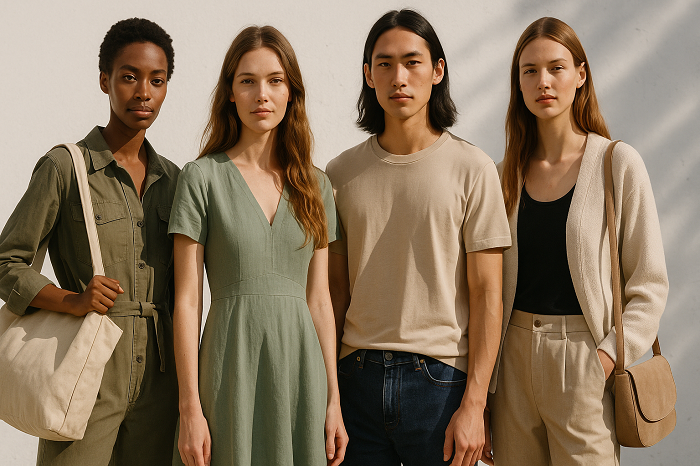
In the evolving world of fashion, sustainability has transformed from a passing trend into a global movement. Modern consumers are increasingly aware of how their choices impact the environment, workers, and future generations. As a result, sustainable fashion brands are rising to prominence by offering stylish, high-quality, and ethically produced clothing. These labels are redefining luxury and streetwear alike, proving that style and sustainability can coexist beautifully. If you are ready to make your wardrobe more eco-conscious, this guide to the top 10 sustainable fashion brands worth trying will help you discover brands that care for both the planet and people.
The Rise of Sustainable Fashion
The fashion industry has long been criticized for its environmental footprint, from water pollution and excessive waste to unethical labor practices. However, the rise of eco-conscious consumers has pushed brands to change the way they produce and source clothing. Sustainable fashion focuses on using environmentally friendly materials, ethical manufacturing, circular design principles, and longevity. The shift is not just about organic fabrics or recycled textiles but also about transparency, fair wages, and reducing carbon emissions. Today, choosing a sustainable fashion brand is not only a style choice but a powerful statement of values.
Top 10 Sustainable Fashion Brands Worth Trying in 2025
1. Patagonia
Patagonia remains one of the pioneers in ethical fashion. Known for its outdoor wear, the brand has built a global reputation for transparency, fair trade, and eco-friendly innovation. Patagonia uses organic cotton, recycled polyester, and plant-based dyes while encouraging repair and reuse through its “Worn Wear” program. Its commitment to reducing environmental harm and promoting activism makes it a true leader in sustainable fashion.
2. Stella McCartney
A luxury brand synonymous with modern elegance, Stella McCartney has been a trailblazer in sustainable luxury fashion since its inception. The label uses innovative vegan materials, including plant-based leather alternatives, and ensures cruelty-free production at every level. Stella McCartney’s designs prove that ethical fashion can be sophisticated, bold, and timeless without compromising on sustainability or aesthetics.
3. Reformation
Reformation is one of the most popular sustainable brands among millennials and Gen Z. With its trendy yet eco-conscious designs, the brand combines effortless style with responsible production. Each garment comes with a transparency tag detailing its environmental footprint, including water usage and carbon impact. Reformation’s focus on sustainable fabrics such as Tencel, recycled fibers, and deadstock materials sets it apart from fast fashion competitors.
4. Eileen Fisher
Eileen Fisher is a symbol of simplicity, comfort, and conscious design. The brand has long embraced sustainable principles, prioritizing organic fibers, ethical manufacturing, and circular design. Its “Renew” program allows customers to return used pieces for resale or recycling, promoting waste reduction and garment longevity. Eileen Fisher is proof that timeless minimalism and environmental responsibility go hand in hand.
5. Everlane
Transparency is at the heart of Everlane’s philosophy. The brand has revolutionized how consumers view ethical production by offering “Radical Transparency” about its factories, pricing, and materials. Everlane’s clean, minimalist wardrobe essentials—made from organic cotton, recycled nylon, and sustainable denim—make it a favorite among conscious shoppers looking for quality and integrity in fashion.
6. People Tree
As one of the first fashion brands to receive Fair Trade certification, People Tree has been a pioneer in sustainable fashion since the 1990s. The brand works directly with artisans and farmers to ensure fair wages and environmentally friendly practices. With handwoven fabrics, organic cotton, and timeless silhouettes, People Tree stands as a testament to how sustainability and craftsmanship can create beautiful, ethical fashion.
7. Veja
Veja has revolutionized the sneaker industry with its commitment to transparency and fair trade. Each pair of Veja sneakers is crafted using organic cotton, wild rubber from the Amazon, and recycled materials. The brand’s minimalist design has become a fashion statement while highlighting how sustainable footwear can be both trendy and responsible. Veja’s open approach to sourcing and production inspires a new standard of honesty in fashion.
8. Thought Clothing
Thought Clothing is a UK-based label known for its eco-friendly fabrics and mindful designs. The brand creates effortlessly chic clothing using organic cotton, hemp, bamboo, and recycled materials. Thought’s focus on durability and comfort encourages consumers to buy less but choose better. The brand’s versatile collections make it easy to build a sustainable wardrobe that never goes out of style.
9. Pangaia
Pangaia blends science and fashion to create sustainable innovations that redefine the textile industry. Known for its colorful basics, the brand uses bio-based materials such as seaweed fiber, recycled cotton, and natural dyes derived from plants. Pangaia also invests in cutting-edge technologies that help reduce waste and carbon emissions. With its forward-thinking approach, Pangaia represents the future of eco-innovation in fashion.
10. Amour Vert
Amour Vert, meaning “Green Love,” lives up to its name by focusing on sustainable production and responsible sourcing. The brand crafts limited quantities to minimize waste and uses non-toxic dyes and sustainable fabrics like Tencel and organic cotton. Amour Vert’s partnership with American Forests, where a tree is planted for every purchase, demonstrates its dedication to environmental restoration. The brand perfectly balances sustainability, femininity, and everyday elegance.
Why Choosing Sustainable Fashion Matters
Opting for sustainable fashion is more than just a style decision—it’s a conscious lifestyle choice. By supporting ethical brands, you contribute to reducing pollution, conserving resources, and ensuring fair labor practices. Sustainable fashion encourages mindful consumption, helping you invest in quality garments that last longer rather than disposable fast fashion trends. Moreover, sustainable brands often lead the way in innovation, inspiring the entire industry to adopt greener practices.
How to Transition to a Sustainable Wardrobe
Shifting to a sustainable wardrobe does not mean replacing everything you own. Start by assessing what you already have and focus on quality over quantity. Choose versatile pieces from brands that prioritize ethical practices and eco-friendly materials. Support second-hand stores, clothing swaps, and recycling programs to minimize waste. Over time, small changes in your buying habits can make a significant impact on the environment and the fashion industry.
Conclusion
Sustainability is no longer a niche concept in fashion—it’s the future. The top 10 sustainable fashion brands highlighted above prove that style, innovation, and ethics can harmoniously coexist. Whether you are drawn to the elegance of Stella McCartney, the minimalism of Everlane, or the bold innovation of Pangaia, there’s a sustainable brand for every taste and budget. By choosing to support these labels, you take an important step toward a cleaner, fairer, and more responsible fashion world. Your wardrobe can be both stylish and sustainable, and that’s a trend worth embracing.
Frequently Asked Questions About Sustainable Fashion Brands
Q1. What makes a fashion brand sustainable?
Answer. A sustainable fashion brand focuses on minimizing environmental impact through eco-friendly materials, ethical labor practices, waste reduction, and transparency in production processes.
Q2. Are sustainable fashion brands more expensive?
Answer. Sustainable brands may cost more initially due to fair wages and high-quality materials, but their longevity and timeless design make them more cost-effective in the long run.
Q3. Can luxury fashion be sustainable?
Answer. Yes, many luxury brands like Stella McCartney and Gabriela Hearst are leading the movement by adopting cruelty-free materials, ethical sourcing, and carbon-neutral production.
Q4. How can I identify a genuinely sustainable brand?
Answer. Look for certifications like Fair Trade, GOTS (Global Organic Textile Standard), or B Corp. Transparent reporting about materials and production is also a key indicator.
Q5. Is sustainable fashion trendy or timeless?
Answer. Sustainable fashion prioritizes timeless design over fleeting trends, encouraging long-term use and conscious consumption rather than fast fashion cycles.



Comments are closed