



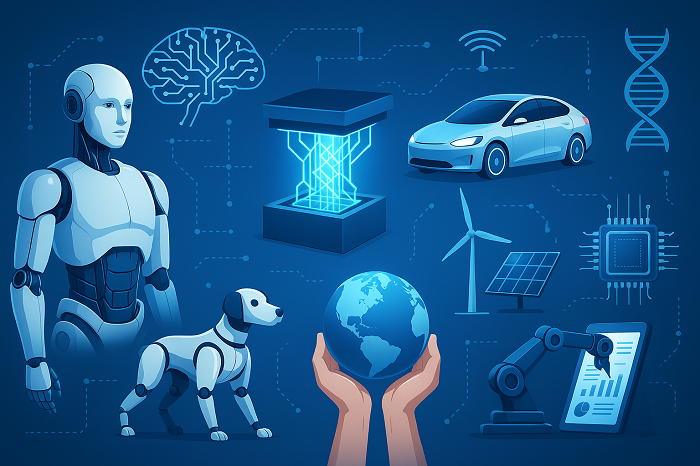
In 2025, technology is moving faster than ever before, reshaping the way we live, work, and connect. From artificial intelligence that learns in real time to advanced robotics and immersive virtual experiences, the future is being rewritten by innovation. As industries adopt smarter solutions and consumers embrace more integrated digital lifestyles, it is clear that the technological evolution we once imagined is now our daily reality. In this comprehensive guide, we explore the top 10 tech trends that are defining the future in 2025, providing insight into how they work, why they matter, and what they mean for the world ahead.
1. Artificial Intelligence Becomes Human-Centric
Artificial Intelligence has moved beyond automation to become more intuitive and empathetic. In 2025, AI systems are not just performing tasks—they are understanding emotions, predicting user needs, and personalizing experiences in real time. With generative AI tools powering creativity, decision-making, and even education, industries are seeing a shift from efficiency to empathy-driven technology. Businesses are using AI not only to optimize operations but also to enhance customer engagement through conversational interfaces, predictive analytics, and adaptive learning systems.
2. The Rise of Quantum Computing
Quantum computing is transitioning from theoretical research to practical application in 2025. Unlike classical computers, which process data in bits, quantum computers use qubits that allow simultaneous calculations at extraordinary speeds. This advancement is revolutionizing complex problem-solving in fields like drug discovery, cryptography, and climate modeling. Leading tech companies are racing to achieve quantum supremacy, with breakthroughs in hardware stability and error correction making quantum systems more accessible. For businesses, this technology promises to unlock new dimensions of innovation and efficiency previously deemed impossible.
3. 5G and the Dawn of 6G Connectivity
While 5G has already transformed data transfer and smart infrastructure, 2025 marks the emergence of early 6G developments. 6G promises ultra-low latency, enhanced bandwidth, and intelligent network optimization capable of connecting billions of devices seamlessly. This evolution supports the Internet of Things (IoT), enabling autonomous vehicles, smart cities, and connected homes to operate at unprecedented speed and precision. Enhanced connectivity also empowers remote work, telemedicine, and digital entertainment with real-time collaboration and ultra-high-definition streaming.
4. The Expansion of the Metaverse
The metaverse is no longer a concept limited to gaming or social interaction—it is becoming a new layer of the digital economy. In 2025, companies are building virtual ecosystems for education, commerce, and entertainment where people can work, learn, and socialize using avatars and immersive tools. Virtual reality (VR) and augmented reality (AR) technologies are blending physical and digital experiences, creating new opportunities for creative industries, virtual retail, and remote collaboration. As major brands invest in metaverse real estate and virtual products, digital ownership through NFTs and blockchain-backed assets continues to grow.
5. Sustainability Tech and Green Innovation
As climate change becomes an urgent global concern, sustainability is a defining tech trend of 2025. Green technology solutions are being integrated across industries to minimize carbon footprints and optimize resource use. Smart grids, AI-powered energy management, and biodegradable materials are transforming how we produce and consume. Clean energy innovations such as solar glass, hydrogen fuel, and carbon capture systems are gaining momentum. Companies are adopting sustainable technology strategies not only for environmental reasons but also to meet evolving consumer expectations and global ESG standards.
6. Robotics and Automation at Scale
Robotics is no longer confined to manufacturing lines—it has expanded into healthcare, logistics, hospitality, and even personal assistance. In 2025, collaborative robots, or cobots, are working safely alongside humans, enhancing productivity and reducing operational costs. Intelligent automation is reshaping supply chains, enabling faster deliveries and real-time quality control. Medical robots are performing surgeries with precision, while domestic robots handle household chores. The integration of AI with robotics has made machines more adaptable, learning from their environment and continuously improving performance.
7. The Internet of Things (IoT) Gets Smarter
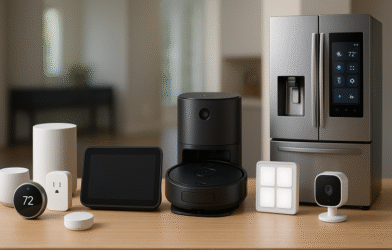
The Internet of Things has evolved from a network of connected devices to an intelligent ecosystem that learns, reacts, and adapts. In 2025, smart homes, connected vehicles, and industrial IoT systems communicate seamlessly through edge computing and AI integration. Devices not only collect data but analyze it instantly to optimize performance and reduce energy use. This smarter IoT environment is driving efficiency in agriculture, manufacturing, and urban planning, creating intelligent environments that anticipate human needs and enhance convenience.
8. Cybersecurity and Digital Trust
As digital transformation accelerates, so does the sophistication of cyber threats. In 2025, cybersecurity has evolved into a proactive discipline focused on prevention and resilience rather than reaction. Technologies like AI-driven threat detection, quantum encryption, and zero-trust frameworks are redefining how organizations protect their assets. Digital identity systems, blockchain verification, and biometric authentication are becoming standard for ensuring online trust. For individuals and businesses alike, cybersecurity has shifted from a technical concern to a strategic priority vital to maintaining reputation and continuity.
9. Biotechnology and Human Augmentation
The intersection of biology and technology is unlocking new possibilities in healthcare, wellness, and human performance. In 2025, biotechnology advancements include personalized medicine, gene editing, and bioengineered organs. Wearable health devices continuously monitor vital signs and predict medical conditions before they arise. Neural interfaces and brain-computer technologies are enhancing cognitive abilities and restoring mobility to those with disabilities. These innovations are not only extending human life but redefining what it means to be human in the age of technology.
10. Edge Computing and Decentralized Data Processing
As the volume of digital data explodes, cloud computing alone can no longer handle real-time demands. Edge computing, which processes data closer to its source, is the future of efficiency and speed. In 2025, decentralized networks are enabling faster responses, reduced latency, and enhanced security for connected systems. This trend is especially critical for autonomous vehicles, remote healthcare, and industrial automation, where split-second decision-making is essential. By combining edge and cloud computing, businesses are achieving a balance between performance, scalability, and data privacy.
Conclusion
The year 2025 is a defining moment in technological evolution. These top 10 trends are not isolated innovations—they are interconnected forces shaping a smarter, greener, and more inclusive digital world. As artificial intelligence, quantum computing, and sustainability merge with human creativity, the boundaries between technology and life continue to blur. For individuals and businesses, staying informed and adaptable is the key to thriving in this rapidly transforming landscape. The future is not arriving tomorrow—it is unfolding today, and those who embrace these technologies will shape what comes next.
Frequently Asked Questions (FAQs)
Q1. What is the biggest technology trend in 2025?
Answer. The most dominant trend in 2025 is the rise of human-centric artificial intelligence, where machines understand emotions and context to deliver personalized, meaningful experiences across industries.
Q2. How will quantum computing impact daily life?
Answer. Quantum computing will accelerate scientific breakthroughs in medicine, finance, and logistics by solving complex problems millions of times faster than traditional computers.
Q3. Is the metaverse really becoming mainstream?
Answer. Yes, the metaverse is expanding beyond entertainment into education, healthcare, and business collaboration, offering immersive experiences and new digital economies.
Q4. Why is sustainability a major tech focus in 2025?
Answer. Sustainability has become a core innovation driver as companies adopt clean technologies to reduce emissions, save energy, and meet global environmental standards.
Q5. How can individuals prepare for these tech changes?
Answer. Staying adaptable, learning digital skills, and understanding emerging technologies like AI and IoT will help individuals remain competitive and future-ready.



Comments are closed